
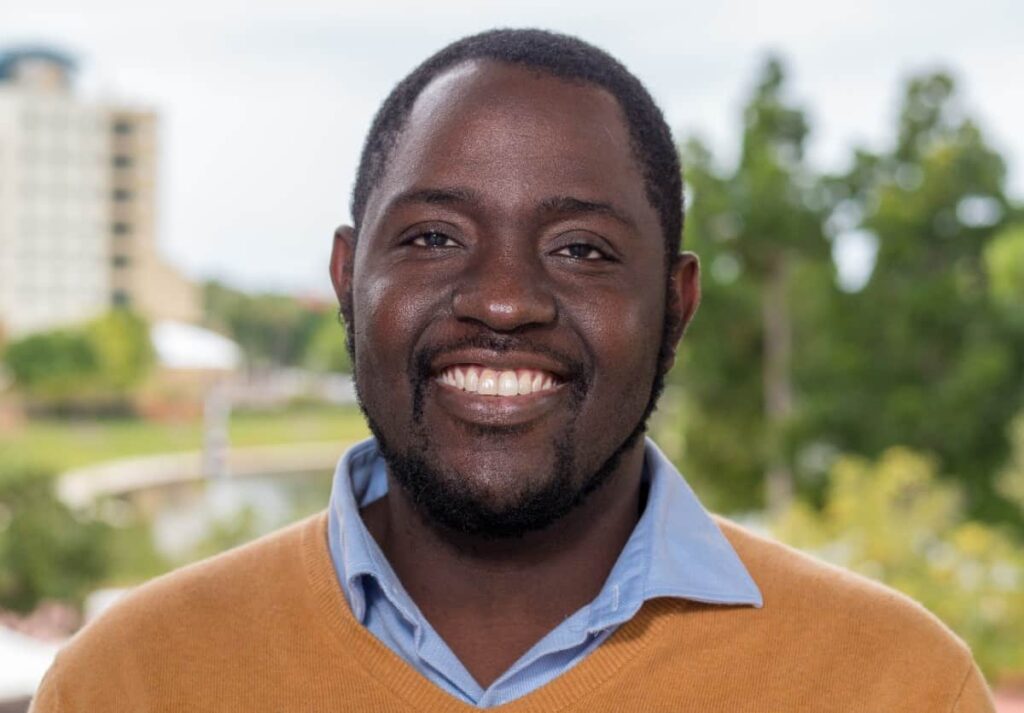
Assistant Professor Oladayo Folasire
Dr Oladayo Folasire
Assistant Professor, Biomedicine — Bond University
Portfolio – Data Analysis, Research, and Evidence-Informed Practice
My work in data analysis sits at the intersection of health science, education, and decision-making. Across biomedical research, scholarship of teaching and learning (SoTL), and emerging AI-in-education research, I use data to understand behaviour, identify patterns, evaluate interventions, and improve outcomes.
This portfolio highlights how I apply analytical thinking, research methodology, and data interpretation across multiple domains — from biomedical science to student learning analytics.
Data Analysis Philosophy
Data analysis, to me, is not just about numbers — it is about meaningful interpretation that informs action.
My analytical approach is guided by three principles:
Clarity — translating complex data into understandable insights
Integrity — ensuring ethical data use and reproducible processes
Impact — using findings to improve real-world outcomes
Whether analyzing laboratory measurements, student learning behaviour, or research datasets, I focus on connecting data to decisions.
Data Analysis Skills and Tools
My data analysis work spans both scientific research data and education-focused analytics.
Core capabilities include:
- Exploratory Data Analysis (EDA)
- Data cleaning and preparation
- Statistical interpretation
- Research data interpretation
- Learning analytics evaluation
- Survey data analysis
- Visualization and reporting
- Evidence-based recommendations
Tools and platforms I use include:
- R
- Python
- SQL
- Tableau
- Excel
- Kaggle datasets
- Google Data Analytics tools
- Learning management system analytics
I am currently expanding my skills in data analysis and mining through Google certification training, with a focus on predictive thinking and applied analytics workflows.
Biomedical Research and Data Interpretation
My foundation in data analysis began in biomedical research, where measurement accuracy, experimental design, and statistical interpretation are essential.
With nearly 15 years of experience in biomedical research and education, my research background includes work in:
- Brain cancer research
- Gene therapy
- Incontinence research
- Biomedical laboratory science
- Physiological biomarker measurement
Biomedical research demands rigorous data handling — from experimental design to interpretation of biological variability — and this continues to shape how I approach all analytical work today.
Working with laboratory data taught me how to:
- Evaluate reliability of measurements
- Interpret biological variation
- Identify meaningful patterns
- Avoid misleading conclusions
- Communicate findings clearly
These principles now inform my work in education analytics and AI-learning research.
Scholarship of Teaching and Learning (SoTL) Data Work
A major part of my current analytical work focuses on student learning data and behaviour in AI-influenced environments.
Through the Own Your Learning project, I investigate how students:
- Interact with generative AI tools
- Approach problem-solving
- Make decisions when using AI
- Reflect on learning processes
- Develop critical thinking habits
This work involves collecting and analyzing:
- Student reflections
- Activity responses
- survey data
- engagement patterns
- learning behaviour observations
The goal is not just to measure performance, but to understand how learning behaviour is evolving.
Beyond the Bot — AI Learning Research
Beyond the Bot is a Scholarship of Teaching and Learning project that explores how students interact with generative AI in academic contexts.
The project focuses on:
- Ethical AI use in education
- Student decision-making processes
- Prompt design and thinking strategies
- Academic integrity in AI environments
- Authentic learning design
This work uses qualitative and mixed-methods analysis, combining reflection data, activity responses, and engagement patterns.
The aim is to produce evidence-informed interventions that help students use AI responsibly while supporting educators in adapting teaching practice.
Learning Analytics and Student Feedback Data
Another area of data analysis in my work involves student feedback and engagement metrics.
I consistently review:
- Subject feedback surveys
- Student feedback on teaching (SSAFS)
- participation patterns
- assessment performance trends
- learning platform engagement data
This analysis helps guide:
- curriculum refinement
- assessment design
- teaching strategy adjustments
- student support interventions
My student feedback scores have remained consistently above faculty benchmarks, reflecting a continuous cycle of data-informed improvement.
Data Communication
An important part of my portfolio is communicating data clearly to different audiences.
This includes:
- Visual dashboards
- Research summaries
- conference presentations
- academic publications
- curriculum reports
- reflective evaluation documents
My goal is always to make data useful, actionable, and understandable, whether for educators, students, or researchers.
Certifications and Ongoing Development
I actively continue building my data and digital capability through professional learning, including:
- Advanced Data Analysis and Mining (Google – ongoing)
- Data Analysis and Mining
- Web-Based Communication and Engagement Tools (Google, 2025)
- Generative AI for Learning and Teaching (Bond University, 2025)
This ongoing development ensures my analytical work remains current, practical, and adaptable.
Teaching, Learning Design, and Student Experience
Alongside data analysis and research, teaching forms the core of my professional identity.
I am currently a:
Senior Teaching Fellow in Biomedicine at Bond University
with 8+ years teaching Health Sciences and Medicine and 15 years across biomedical research and education.
My teaching focuses on creating engaging, evidence-informed, and student-centred learning environments.
Teaching Philosophy
My teaching philosophy is grounded in three ideas:
- Active learning improves understanding
- feedback drives growth
- authentic learning builds confidence
I aim to create learning environments where students:
- engage actively with concepts
- connect theory to practice
- build scientific thinking skills
- develop confidence in problem-solving
Interprofessional Education Leadership
I serve as the:
Interprofessional Education (IPE) Representative for Biomedical Science
in the Faculty of Health Sciences and Medicine.
This role involves contributing to:
- curriculum collaboration
- interdisciplinary learning initiatives
- student experience design
- faculty-level teaching innovation
Teaching Approaches
My teaching integrates multiple strategies to support different learning styles and levels.
Interactive Lectures
Lectures use structured visual presentations shared in advance via iLearn.
These include diagrams, concept summaries, and embedded interactive questions.
I integrate Poll Everywhere to create real-time participation opportunities and reflection checkpoints.
Tutorials and Case-Based Learning
Small-group tutorials include:
- theory-focused sessions
- case-based discussions
- problem-based learning activities
These connect biomedical theory with clinical scenarios such as:
- diabetes diagnosis
- cancer biomarkers
- physiological regulation
Laboratory Teaching
Laboratory classes provide hands-on learning aligned with lecture content.
Students develop skills in:
- anatomical identification
- biomarker measurement
- physiological interpretation
- experimental thinking
These sessions strengthen connections between theory, data, and real-world application.
Assessment Design
I use a combination of formative and summative assessments, including:
- laboratory skills exams
- online tests
- laboratory reports
- interactive quizzes
- reflective activities
Laboratory reports are particularly important for developing:
- scientific writing
- data interpretation
- critical thinking
- literature engagement
Gamification and Engagement Tools
To support engagement and retention, I incorporate gamified learning tools.
These include:
- Kahoot quizzes
- Socrative activities
- Poll Everywhere discussions
Students consistently report that these tools:
- improve recall
- reduce anxiety
- increase participation
- make revision more effective
Digital Learning Design
I design iLearn subject sites to be:
- visually engaging
- clearly structured
- easy to navigate
- aligned with weekly learning goals
High-resolution visuals and consistent updates help create an authentic and motivating learning environment.
Media and Outreach
External engagement is an extension of my teaching philosophy.
I have been featured in:
- Virgin Australia in-flight magazine (2014)
- Gold Coast Bulletin
- Bond University promotional materials (2024)
- Faculty of Health Sciences & Medicine brochure
I regularly participate in:
- Open Days
- campus visits
- student outreach activities
- graduation ceremonies
These activities help connect student experience, recruitment, and academic identity.
Awards and Recognition
- Early Career Teaching Excellence Award (Nominated, 2021)
- Three Minute Thesis Winner — Bond University (2013)
- FULT Program — Bond University (2021)
Scholarship Outputs
My SoTL work has been shared through:
- Australian Conference on Science and Mathematics Education (2023)
- Australian Biochemist (2023)
Teaching Impact
Across my teaching career, I have maintained:
- consistently high student feedback
- strong engagement outcomes
- active curriculum contributions
- leadership in interprofessional education
My goal remains simple:
to help students understand deeply, think critically, and learn confidently.
Assistant Professor Oladayo Folasire